Scheurebe: Grape of the Month, April 2026
Pronunciation: “SHOY-ray-beh”…
Even sommeliers in the U.S. will pronounce this many different ways. Confidence matters more than perfection here.

Geolina163 + 1971markus, CC BY-SA 4.0, via Wikimedia Commons
I first heard of Scheurebe last year while visiting the vineyard where I purchased the Sauvignon Blanc grapes for Psyche 2025. As we walked the rows and talked fruit, the name came up in conversation, and I remember immediately being intrigued. It was one of those moments wine so often gives you—a reminder that no matter how much you learn, there is always another grape, another story, another path to explore.
Scheurebe was developed in Germany in the early 20th century by Dr. Georg Scheu, who set out to create an improved version of Silvaner. He wanted a grape with stronger aromatics along with greater resistance to frost and chlorosis. For many years, Scheurebe was believed to be a crossing of Riesling and Silvaner, but later genetic research from Austria confirmed its true parentage as Riesling and Bukettraube, also known as Bouquet Blanc.
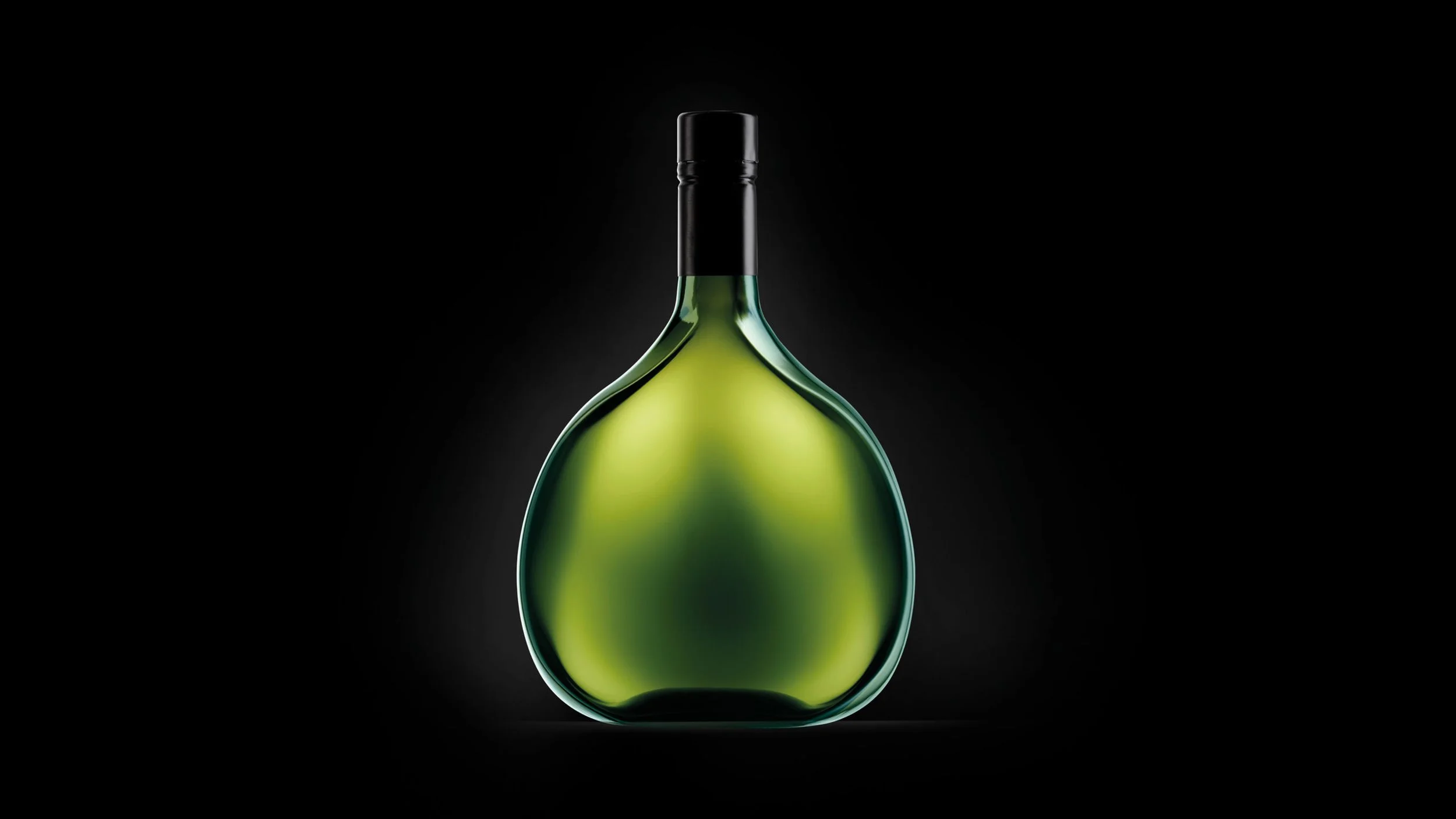
Bocksbeutel
Within the European Union, the distinctive Bocksbeutel bottle shape is legally protected, making it one of the few wine bottles recognized and preserved as a regional hallmark.
In Germany, Scheurebe is grown in virtually every wine region, though it is most strongly associated with the Pfalz, Rheinhessen, Nahe, and Franken regions. It has also found an important home in Burgenland in Austria, where warm days and cool nights help preserve freshness while building ripeness. In Franken, it is sometimes bottled in the region’s iconic flattened Bocksbeutel bottle. A cheeky bit of wine lore says the bottle’s shape was inspired by the scrotum of a billy goat, giving the vessel one of the more unforgettable origin stories in the wine world.
What makes Scheurebe so memorable is its personality in the glass. It often shows expressive aromas of grapefruit, dark fruits, stonefruit, tropical fruit, gooseberry, and sage. It is especially known for displaying blackcurrant notes—an aroma remarkably uncommon in white wine and one that has become a signature of the variety.


“If Riesling expresses all that is noble and good, Scheurebe offers all that is dirty and fun.”
– Terry Thiese
Scheurebe is also renowned for producing high-quality wines in both dry and sweet styles. Dry examples are often labeled trocken, meaning dry, and are usually made from fruit harvested before full ripeness, as fully ripe berries tend to develop enough sugar to elevate alcohol and disrupt the balance of the wine if fermented completely dry. If picked too early, however, the grapefruit character can become aggressive—sharp, pungent, and unpleasant.
For this reason, the grape often reaches its highest expression in Germany’s sweeter Prädikat categories, which classify wines by grape ripeness at harvest. Styles such as Spätlese (late harvest) and Auslese (selected harvest) allow Scheurebe’s naturally high acidity and elevated sugar levels to create balance, preventing the wine from feeling cloying. Superior sweet examples, such as Beerenauslese (BA), made from individually selected overripe berries, or Trockenbeerenauslese (TBA), produced from intensely shriveled, concentrated grapes, are often influenced by noble rot, adding layers of dried apricot, honey, and spice.
Scheurebe may not have the widespread recognition of Riesling or Sauvignon Blanc, but that is part of its charm. It rewards curiosity and offers something distinctive for those willing to step outside their comfort zone. Some of the most rewarding experiences in wine, and life as a whole, come from stepping beyond the familiar and giving something lesser known a chance. For me, it will always bring me back to that vineyard visit, and the overwhelming excitement of purchasing my first grapes and working with a winery not simply as a patron, but as a fellow winery beginning its own journey.
A few notable Scheurebe styles to explore, and what to pair them with:
Scheurebe Trocken
Crisp, aromatic, vibrant acidity with citrus and herbal notes
Pair with shrimp tacos, fried chicken with hot honey, citrus-dressed salads w/ goat cheese
Scheurebe Spätlese
Noticeable sweetness balanced by bright acidity and expressive fruit
Pair with spicy thai curry, jalapeño cornbread, pork banh mi
Scheurebe Auslese
Richer texture, deeper fruit concentration & honeyed character
Pair with roasted carrots with harissa yogurt, glazed roast pork, peach cobbler
Scheurebe Beerenauslese (BA)
Lusciously sweet and intense
Pair with crème brûlée, candied nuts, tarte tatin
Scheurebe Trockenbeerenauslese (TBA)
Exceptionally rich, rare, and decadent
Pair with baklava, salted caramel desserts, or enjoy slowly on its own
